
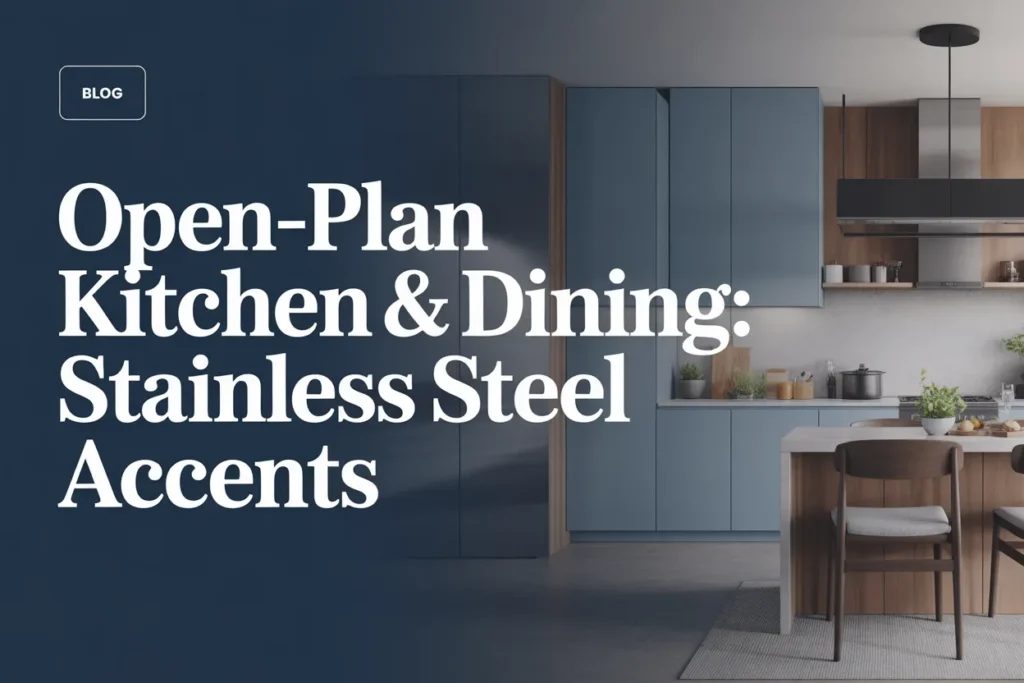
- Key Takeaways
- Designing your open-plan kitchen
- Zoning without walls
- The uae cultural context
- Managing heat and odours
- Integrating smart technology
- The second kitchen secret
- Conclusion
- Frequently Asked Questions
- What are the key benefits of an open-plan kitchen in the UAE?
- How can I separate kitchen zones without building walls?
- Why is cultural context important in UAE kitchen design?
- How can I manage heat and odors in an open-plan kitchen?
- What smart technologies work well in open-plan kitchens?
- What is the “second kitchen secret” in UAE homes?
- How can I make my open-plan kitchen more energy-efficient?
Key Takeaways
- Designing an open-plan kitchen involves deliberate floor planning to promote easy transition and communal engagement between the culinary and eating areas.
- Choosing durable and easy-to-clean materials, like stainless steel and natural finishes, can go a long way towards extending the life and ease of maintenance.
- Including an island with seating within the open plan kitchen helps to create functional zones and offers a focal point for both preparation and hanging out.
- Open Plan Kitchen – UAE, India, Dubai, Abu Dhabi, Mumbai, Sharjah.
- Smart kitchen technology can enhance convenience, efficiency, and comfort by automating lighting, appliances, and everyday tasks.
- Something like creating a second prep kitchen or making zones in the open kitchen to facilitate communal cooking sessions and maintain order.
An open-plan kitchen in the UAE means a kitchen space that merges with other living areas like the dining or lounge, without full walls or partitions. Most new homes and apartments here in the UAE employ this style for an airy, spacious feel.
Open-plan kitchens tend to incorporate contemporary design, clean lines, and vibrant natural lighting. The following sections have details on specific features, local trends, and tips on making your open-plan kitchen UAE-style.
Designing your open-plan kitchen

Open-plan kitchens combine cooking, dining, and social spaces into one open space. With little or no interior walls, these layouts seem spacious and airy. They assist in fusing small rooms, such as unused dining spaces, into a larger, more practical space for everyday living.
It inspires effortless communication and engagement, helping you to connect during meal prep or dining.
1. Layouts for living
Read more about planning the flow between cooking and dining areas in your open kitchen. A central island, either fixed or mobile, establishes a nucleus where we gather to cook, chat, and dine as a team.
Portable islands can inject storage and counter space wherever you need it. Seating needs to be accessible and adaptable. Think bar stools at the island or a built-in bench along a wall, for example.
Islands or open shelves are great soft dividers, helping delineate different zones without closing off the room. A considerate floor plan means that no one feels left out, whether it’s a family breakfast or a relaxed dinner with friends.
2. Material selection
Go for durable, low-maintenance materials for surfaces. Stainless steel resists everyday abuse and complements nearly any decor. Cabinetry needs to provide sufficient storage and complement the kitchen’s aesthetic.
Options include flat panel doors, glass fronts, and more. Wood or stone brings warmth and texture to the open space. Try to always opt for finishes that resist stains and are easy to clean with a wipe, so the kitchen remains tidy and fresh-looking.
3. The social island
Island in the stream: Your open kitchen’s heart. It serves as a prep area, serving counter, and an ‘anywhere’ for drinks or snacks. With built-in seating, the island becomes a spot for everything from quick eats to lengthy conversations.
If you use bold colors or a unique surface, such as marble or butcher block, your island really becomes ‘the’ stand-out feature. Your open-plan kitchen design should facilitate fluid movement and allow for people to interact face to face while maintaining close connections.
4. Ventilation strategy
So make sure you keep the air fresh with a good range hood that matches your kitchen’s style. Silent exhaust fans do the trick for smells and heat.
Add windows to bring in natural light and increase ventilation, something that really counts in open plans and tropical weather.
5. Lighting layers
Layered lighting refers to incorporating multiple types of lighting. Task lights over counters, ambient lights for mood, and accent lights to highlight features all count.
Glass-pendant lights can illuminate work areas and establish a contemporary vibe.
Zoning without walls

Zoning without walls in open kitchen designs means defining the space for different functions without erecting partitions. In this manner, the kitchen, dining, and living areas meld together, flooding most homes with more light and a feeling of space. Open-plan living is now the norm in a lot of new construction, as it removes walls and opens up rooms to create an inviting atmosphere that encourages conversation and movement.
This arrangement is great in hot places like Dubai, as it can aid air circulation, but it can complicate cooling if you don’t design the zones carefully. To maintain order in the space, open zones assist with flow. For instance, zoning your cooking area close to storage and the sink keeps meal prep flowing smoother, enhancing the efficiency of your modern kitchen.
Without a fourth wall, you’d be surprised how often you can squeeze an island in the center of your open kitchen. It provides additional surface for food prep and can serve as an area for friends to congregate or kids to complete homework. If you cook in large quantities, having a dedicated cooking area for food prep is crucial to maintaining organization and functionality.
Furniture can demarcate zones. How about putting a big dining table in between your kitchen and living area to separate the dining zone? Sofas, shelves, and even a small bookcase can delineate the boundary of your living space without obstructing sightlines or light.
Rugs or different flooring, such as tiles in the kitchen and wood in the living room, can zone a space without walls. For a semi-open vibe, a half wall between the kitchen and dining area can do the trick, providing a little more separation without closing off the space and still allowing for an open kitchen layout.
Color assists. Assigning each zone a different yet coordinating color helps keep the entire space looking cohesive while still allowing each section to feel distinct. For example, a soft blue in the kitchen and a muted green in the dining area can indicate where one space stops and another starts.
With these easy moves, a big open room can transform from a relaxed family zone during the week to a ‘dressed-up’ guest space for the weekend, showcasing the versatility of open kitchen designs.
The uae cultural context

In the UAE, kitchen design is more than practical. It combines aesthetics and local culture. Kitchens are a big part of family life in UAE culture. The traditional old Emirati kitchen, or ‘majlis’, is where family and visitors gather, arranged for communal cooking and sharing of meals.
Today, open-plan kitchens are gaining popularity, but most homes maintain some closed-off space for privacy or large gatherings, such as Ramadan or family visits.
Traditional Elements | Modern Aesthetics |
|---|---|
Separate majlis for guests | Open-plan connected to living area |
Warm wood and stone | Sleek lines, glass, and soft lights |
Large pantries and stores | Built-in storage and deep drawers |
Coffee/tea station | Integrated appliances |
Kitchen layouts in the UAE often accommodate collective cooking. It’s tradition for there to be tons of people in the kitchen, particularly on holidays or when there are guests. This implies that open-plan kitchens demand broad counters, solid islands, and ample storage.
Bulk purchasing is common, so homes generally have abundant pantries, deep drawers, and utility rooms. These are far larger than those you’d typically find in Western kitchens.
Newer kitchens combine old and new. A lot of them use warm colors, stone, and wood to create a cozy atmosphere, rather than the harsh black and white marble or slick gloss finishes you see at some places around the world.
Arabic coffee and tea culture spill into kitchens as well. Many houses have a designated gahwa-making and serving area, with brass dallahs and cushioned seats nearby.
The weather informs kitchen design as well. Optimal ventilation, heat-proof counters, and easy-to-clean surfaces assist in combating high temperatures and humidity, ensuring kitchens remain pleasant and functional throughout the year.
Managing heat and odours

Managing heat and odours in an open kitchen design is crucial, especially in a warm climate like the UAE. In these open kitchens, heat and cooking odours can travel freely, so it’s essential to implement smart design and equipment decisions that maintain clean air and a fresh living space. By effectively managing these elements, your kitchen will transform into a more comfortable and practical cooking area.
Include adequate ventilation. Install range hoods or ceiling extractors with powerful fans that suck airborne grease and smoke outdoors. Vent hoods equipped with activated carbon filters for odor control can capture fine particles and neutralize odors before venting air back into the space. Try to find an extractor system that is powerful but quiet, so it does not disturb your flow of home.
Plan your kitchen for ventilation. Locate cooking areas by windows where possible or near exhaust fans to expel hot air quickly. In open layouts, air can swirl in circles, so make routes for air to escape. Utilize kitchen islands, half-height walls or freestanding shelves to establish zones. These may impede the transfer of heat and odours without obstructing sight lines.
Select appropriate materials. Choose surfaces such as quartz, stainless steel, glass, or premium ceramics. They resist heat and stains and are simple to wipe off, so no smells absorb. Avoid porous wood or soft stone that can cling to odours.
Let furniture come to your rescue. Put islands or low dividers so that kitchen smells do not spread too much. This allows the kitchen to remain open but still contain the cooking smells.
How to manage heat and odours: Keep filters and vents clean. Managing heat and odours keeps the system operating optimally and prevents old odours from lingering.
Integrating smart technology

Smart tech is now a staple in open-plan kitchens, particularly in luxury homes across the UAE and the globe. It takes smart kitchens to another level by leveraging devices such as IoT ovens, smart fridges, and AI-powered systems to simplify and streamline cooking and daily tasks. Many homeowners choose smart tech not just for convenience but for energy savings and sustainability.
Controlling appliances, lighting, and even faucets by voice or app helps you make a space that’s fluid to different needs, from meal prep to hosting.
Feature | Price Range (USD) | Pros | Cons |
|---|---|---|---|
Smart Lighting Systems | 80–500 | Custom scenes, energy saving, remote access | Setup can be complex |
Voice-Activated Assistants | 50–250 | Hands-free use, links with appliances | Needs Wi-Fi, privacy concerns |
Touchless Faucets | 100–350 | Boosts hygiene, easy to use | Battery or power needed |
Smart Ovens & Fridges | 800–3000 | Remote control, better food tracking | Higher upfront cost |
AR Kitchen Configurators | 0–200 (software) | Visual planning, fewer design mistakes | Learning curve for new users |
Temp Control Systems | 150–800 | Keeps settings steady, saves energy | May need pro install |
Smart lighting can transform the atmosphere in your kitchen as the day goes by. For instance, soft white lights for breakfast provide a serene ambiance, whereas stronger hues complement evening cooking or tidying. Homeowners can schedule or voice control the lights to suit their lifestyle.
Integrating smart technology includes voice-activated devices, such as smart speakers, which allow users to initiate timers, control oven temperatures, or stream music hands-free. This is handy when hands are full or dirty. A lot of brands are now offering fridges and ovens that connect with these devices for even more control.
Smart features, like hands-free faucets, assist in maintaining cleanliness and minimalism. Temperature regulation systems keep a consistent setting for comfort and energy consumption.
Augmented reality tools are becoming more prevalent, allowing users to virtually design and visualize their kitchen layout prior to making a purchase. This enables them to thoughtfully plan for tech upgrades that suit their taste and budget.
The second kitchen secret
A second kitchen, known as a back kitchen or secret kitchen, is an emerging open kitchen design staple. This arrangement provides an efficient means to process meals and maintain cleanliness in the main kitchen, a dream for any foodie or large-scale entertainer. Open-plan living can create clutter and noise, and a second kitchen alleviates that by isolating prep and cooking in a dedicated cooking area.
Frank Lloyd Wright proposed the concept of merged living spaces back in 1901, but the hidden prep kitchen lends a new functional dimension to our current open kitchen designs. A small prep kitchen can be squeezed into most layouts, even those with tight space. It often hides behind the main kitchen, concealed by pocket doors, sliding panels, or clever architectural touches.
This means when it’s not in use, it’s easy to tuck out of sight. They use the second kitchen for chopping, mixing, or baking, which prevents mess and smells from permeating the main living space. If you entertain or have big families, it’s a luxury that keeps things flowing when cooking for a crowd.
Specialized cooking work — such as deep-frying, grilling or prepping ingredients — makes sense in a second kitchen. This keeps your primary kitchen free for serving or entertaining. Storage is queen in both kitchens. Built-in shelves, pull-out drawers and stackable bins maximize every centimeter while keeping everything within easy reach.
A lot of homeowners employ vertical storage and hidden cupboards to keep both kitchens neat and clutter-free. A second kitchen is not everybody’s cup of tea. It really depends on lifestyle, needs, and how much space you have.
Conclusion
Open-plan kitchen uae They draw in additional light, enhance space and facilitate the effortless blending of cooking and socializing. Most families utilize their second kitchen for heavy duty work, which allows the primary area to be presentable. Smart tech assists in comfort and keeps things streamlined. Proper ventilation reduces heat and odors, thereby improving daily life. UAE folks mash old and new, so every kitchen just feels right to them. For next steps, chat with a local designer or builder who is familiar with UAE homes. Inquire about clever gadgets or concealed corners to fit your lifestyle. A great kitchen will complement your habits and unite people.
Frequently Asked Questions
What are the key benefits of an open-plan kitchen in the UAE?
Open-plan kitchen designs in the UAE allow for more natural light and ventilation, making them ideal for the hot weather, while also facilitating family get-togethers and entertaining in the cooking area.
How can I separate kitchen zones without building walls?
Identify zones with furniture, area rugs, lighting, or flooring changes. Kitchen islands or shelving can delineate cooking areas, dining spaces, and living spaces while maintaining an open kitchen design.
Why is cultural context important in UAE kitchen design?
In the UAE, where families often host large gatherings and appreciate privacy when cooking, open kitchen designs must be mindful of local traditions, occasionally incorporating a closed kitchen or adaptable partitions for privacy.
How can I manage heat and odors in an open-plan kitchen?
Ensure to install powerful ventilation, such as range hoods, and choose surfaces that are easy to clean. Proper ventilation is essential for open kitchen designs, as it eliminates food odors and reduces heat in the UAE’s scorching climate.
What smart technologies work well in open-plan kitchens?
Smart appliances and integrated home systems enhance convenience and energy efficiency in modern kitchen designs, while voice-activated assistants contribute to the cooking area vibe.
What is the “second kitchen secret” in UAE homes?
Many UAE villas feature a second kitchen, often referred to as a “dirty kitchen,” which is ideal for heavy-duty cooking. This design allows the main open kitchen to remain clean and odor-free, especially when entertaining in the spacious dining area.
How can I make my open-plan kitchen more energy-efficient?
Incorporate energy-efficient appliances and smart kitchens with LED lighting and proper insulation. Efficient ventilation systems and smart thermostats aid in decreasing energy consumption, making your open kitchen more ecologically friendly and economical.