

- Key Takeaways
- The Initial Challenge
- Our Strategic Kitchen Renovation
- Navigating Dubai Regulations
- The Climate-Proof Kitchen
- The Final Transformation
- Beyond The Renovation
- Conclusion
- Frequently Asked Questions
- What are the main challenges in renovating a restaurant kitchen in Dubai?
- How do Dubai regulations affect restaurant kitchen renovations?
- Why is climate-proofing a kitchen important in Dubai?
- How long does a typical restaurant kitchen renovation take in Dubai?
- What are the benefits of renovating a restaurant kitchen in Dubai?
- Do I need special permits for a kitchen renovation in Dubai?
- How can I choose the right contractor for a Dubai restaurant kitchen renovation?
Key Takeaways
- Evaluating existing kitchen constraints and matching renovation strategies with Dubai’s food service needs is crucial for a fruitful makeover.
- Engaging seasoned local contractors and adhering to a clear project schedule reduces downtime and guarantees stellar outcomes.
- Detailed kitchen designs consider efficient workflow, hygiene, and future expansion with resilient materials suitable for Dubai’s climate.
- Understanding Dubai’s stringent health, safety, and building codes is key. Keeping up to date on current requirements saves expensive holdups.
- By installing energy efficient equipment and proper ventilation, you’ll not only be supporting staff comfort, cooking productivity and quality, but reducing operational costs in the sweltering heat.
- Regular maintenance, staff training, and adapting to new culinary trends keep a kitchen high performing and meeting customer expectations.
Restaurant kitchen renovation Dubai is transforming the kitchen area to accommodate regional cuisine regulations, new equipment and improving efficiency.
Dubai’s exacting health codes and lightning fast food scene influence most renovations, from selecting proper exhaust hoods to slip-proof tiles.
Many owners are looking to save water and power, so new configurations tend to center on energy consumption.
It then goes into stages, budget, and local contractors who understand the Dubai scene.
The Initial Challenge
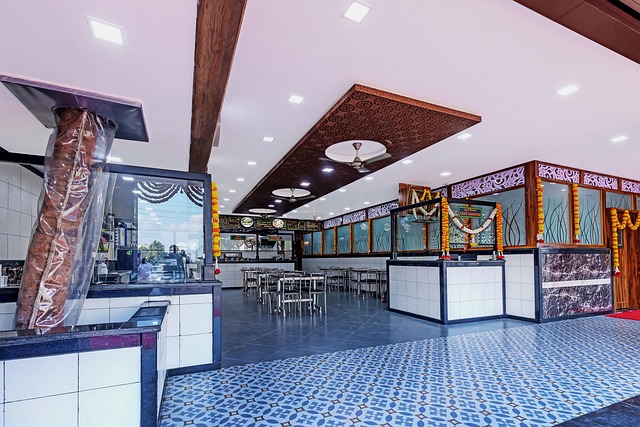
Each restaurant kitchen renovation in Dubai serves up a new blend of practical and regional challenges, beginning with the requirement to delineate exactly which day-to-day demands fuel the entire project. Every kitchen operates on defined objectives and processes. Prior to any concept or budget, owners and operators write down what the kitchen has to accomplish, be it quick breakfast service, large-volume banquets, or a leisurely fine dining experience.
These requirements influence every decision, from how many cooktops to which ventilation.
- Fast breakfast service from 6 a.m. for office crowds
- Heavy prep and storage for buffet or banquet operations
- Dedicated stations for grill, fry, pastry, or sushi
- High-volume dishwashing for quick table turnover
- Separate areas for halal prep or allergen-free cooking
- Easy flow from cold storage to plating
- Space for custom or imported equipment
Older buildings in Dubai, most constructed prior to 2005, conceal a secret cache of aches and pains. Behind the walls, insulation might be worn thin or moisture barriers might have failed. Kitchens can develop signs of damp, mold or even shifting floors underfoot once work begins.
They’re so old that they almost always require new wiring, better ventilation or additional support beams, none of which appear on the initial cursory sketches or estimates. Such surprises are the rule, rather than the exception.
Dubai’s food scene is international and unforgiving. Most kitchens have to contend with Arabic, Indian, Japanese, and Italian food, which each have different prep, cooking, and storage needs. Customers want quick and top quality, no matter if they’re ordering steak or sushi.
Certain kitchens require open show-cooking or wood-fired ovens. Some require bespoke millwork or glass walls to match Dubai’s contemporary dining rooms.
Budgets are always tight in Dubai, and expenses can accumulate quickly. Fine dining fit-outs can easily go beyond $200 per square foot, particularly for projects with bespoke finishes or imported equipment. Permit fees, engineering review, and city inspections add another 15 to 25 percent.
Seasoned rehabbers anticipate complications, adding as much as 30 percent on top of any estimate for issues like additional piping or sealing a permeable wall. It is normal for city approvals to take three months before they begin work. Complete remodels can take 12 to 20 weeks or more if the architecture is intricate or requires permits.
Our Strategic Kitchen Renovation

Our strategic kitchen revamp in Dubai entails more than a new splash of paint. It’s about designing a space that aligns with the restaurant’s vision, is functional for the staff, and complies with the city’s rigorous safety codes. Each stage, from conception to delivery, requires expert craftsmanship and attention to detail to find the right mix of down-to-earth necessity and local demand.
1. The Blueprint
The beginning is designing plans that make smart use of every inch. In Dubai’s space-craved urban life, kitchens have to share space for cooking and storing. Storage is a major consideration, with cabinets, shelves, and walk-in coolers designed for convenient access and seamless flow.
Ventilation, stainless steel counters, and easy-to-clean finishes are all in the plans to stay ahead of local health codes. Minimalist designs are typical, with sleek lines and understated details that contribute to making the kitchen user-friendly and easy to clean.
Our design doesn’t waste time and space; it’s all about a straight line from prep to cook to serve, reducing steps for the staff and keeping the workflow flowing. Thinking ahead about expanding is important as well. We leave room for additional ovens or fridges should business pick up, so the kitchen stays ahead of new needs.
2. The Approvals
Renovating a restaurant kitchen in Dubai means dealing with city rules. Contractors coordinate with local agencies to obtain necessary permits, which requires presenting detailed plans and equipment lists. Health and fire safety are primary, so that needs to be part of your planning involving smoke detectors, fire extinguishers, and first-aid kits.
The paperwork details it all, from layouts to what kind of countertops, including granite, marble, quartz, or laminate. This can take a few days or extend depending on scale, but having everything prepared keeps the project moving and prevents stalls.
3. The Build
Our construction crews begin by adhering to the blueprint, confirming that every wall, countertop and water line is exactly where it’s supposed to be. Project managers monitor the schedule and budget, ensuring nothing gets off track.
No weak stuff—only rock solid, lasting materials such as stainless steel, stone countertops, and pro-grade appliances. Squads inspect work regularly, seeking problems or slippage. Quality control occurs at each phase, so that it maintains the kitchen’s safety and code compliance.
4. The Installation
All appliances – ranges, ovens, dishwashers – are installed at the appropriate time. Each one is vetted for functionality and compliance with local codes. New tech, like energy-saving fridges or induction cooktops, is added for better outcomes and smaller bills.
Employees are trained right there, taking new controls and safety steps, so the transition to the new kitchen is seamless and secure.
5. The Handover
The last step is a walk-through with the restaurant owner to demonstrate the completed space and tick each detail off. A comprehensive warranty and care tips are presented.
Feedback is requested so any final adjustments can be made. Not until everything is operational and all codes are satisfied does the kitchen turn over, ready for action.
Navigating Dubai Regulations
Remodeling a restaurant kitchen in Dubai involves monitoring local jurisdiction as well as pragmatic actions that define the way the endeavor evolves. Dubai has established definite regulations to ensure all kitchens adhere to safety, health, and sustainability standards. These regulations can shift frequently, so it is savvy to be informed on the latest before making any arrangements.
Locally, food safety begins with Dubai Municipality standards. Kitchens shall make use of easily cleanable and moisture resisting surfaces and materials. Floors should have non-slip surfaces and all cooking and prep areas should be adequately lit and ventilated. Grease traps, pest control, and waste disposal are all inspected. Civil Defence goes over fire safety measures such as where to place fire extinguishers, emergency exits, and hood suppression systems. If a kitchen layout changes or if capacity is increased, these updates need to be submitted for approval. Cosmetic projects, such as painting and appliance replacement, require less paperwork but still must undergo basic compliance checks.
Being up to date is important because Dubai updates its regulations frequently to remain aligned with international best practices. For instance, equipment clearances, venting systems, and energy use rules might change from year to year. Owners and managers should review government bulletins or interview a local design consultant who is up to date. It prevents you from getting slowed down because overlooking one new rule could mean doing a project twice or paying fines.
Dubai propels green buildings. Kitchens need to demonstrate how they reduce water and electricity consumption, minimize waste, and select sustainable materials. Builders are known to select energy-efficient ovens, LED lighting, and water-saving sinks as a means to check these boxes. Waste management plans are inspected, with officers seeking recycling schemes and adequate storage. These steps assist Dubai in achieving its city-wide green targets, while they can accelerate approving permits.
Any and all improvements need to be in line with local building codes and permit processes. They need to submit design plans for any structural or layout changes to the city. Owners must collaborate with an approved design team and plans run through Dubai Municipality and Civil Defence for review.
For a small change, permits can take 2 to 4 weeks and cost $820 to $2,180, converted from AED 3,000 to 8,000. Harder work, such as a new kitchen fit-out, could take 12 to 20 weeks or more if additional approvals are required. Permit fees, engineering checks and inspections typically add an extra 15 to 25 percent. For older buildings, unseen insulation or structural problems might arise once work begins, which can derail timelines or introduce new phases.
The Climate-Proof Kitchen
To remodel a restaurant kitchen in Dubai is to accept a true challenge. The city’s heat and humidity last nearly year-round and that puts a lot of strain on staff, equipment, and the kitchen’s infrastructure. Everything from the kitchen layout to the appliances used needs to be designed to withstand these climate extremes while maintaining a safe and affordable workspace.
Designing a kitchen that can combat Dubai’s intense heat and humidity includes selecting layouts that allow for air circulation and do not hold in heat. Open kitchens are a good bet here. They vent heat quicker and facilitate air circulation, making it more comfortable for employees.
Adding big windows or skylights can flood your space with natural light and reduce your dependence on air conditioning. Solar tubes provide a great alternative for bringing in that daylight without adding to the heat load. Clever design decisions such as these can help keep the space cozy without racking up hefty energy charges.
Choosing energy saving appliances is a must. Due to the exorbitant expense of operating air conditioning and refrigeration in Dubai, utilizing ENERGY STAR-certified fridges, freezers, and ovens can generate significant monthly savings. LED lighting helps keep the kitchen cooler and consumes relatively little power.
Connected equipment, like smart sensors and monitors, can help managers track energy use and identify issues before they escalate, so nothing falls through the cracks. This sort of arrangement saves money and enables the kitchen to reduce its carbon footprint.
Adding a robust ventilation system isn’t simply a matter of comfort. It’s a matter of safety. In a scorching hot, humid city like Dubai, ventilation systems must have strong exhaust fans, strategically positioned air inlets, and filters to healthily circulate air. Proper ventilation prevents grease and moisture from adhering to surfaces and keeps smoke and heat away from employees.
You’d think, for example, that kitchens would already be equipped with hoods that have heat sensors or automated systems that switch fan speeds accordingly, ensuring fresh air while minimizing energy consumption.
Using hard-wearing materials is the foundation of a climate-proof kitchen. Floors need to be slip-resistant tiles that resist heat, moisture and heavy foot traffic, such as commercial-grade porcelain or quarry tile. German-made cabinets, with soft-close hinges and premium hardware, prevail and don’t warp or rust in moist air.
Stainless steel or premium composite countertops withstand temperature fluctuations and everyday use. Sustainable materials, such as recycled metals or plastics, reduce waste and increase the kitchen’s ecological credentials.
The Final Transformation

The last shift restaurant kitchen in Dubai was a monumental shift for staff and guests alike. Months of hard grind transformed the space into something brand new, combining the old soul with that new shine Dubai diners crave. The kitchen makeover was more than just new equipment; it was about creating an environment that functions better, feels urban-appropriate, and still maintains the restaurant’s personality.
Even the dining room now attracts locals and tourists alike, a popular mark on Dubai’s food landscape.
Feature | Pre-Renovation | Post-Renovation |
|---|---|---|
Kitchen Layout | Tight, cluttered, slow workflow | Open, smooth flow, better work stations |
Equipment | Outdated ovens, slow dishwashers | Fast, energy-saving stoves, high-speed washers |
Ventilation | Poor air flow, heat build-up | New hoods, cool air, cleaner work environment |
Storage | Small, hard to reach | Deep shelves, easy pull-out bins |
Surfaces | Hard to clean, wore out fast | Durable, stain-proof counters, simple to clean |
Lighting | Dim, uneven, caused eye strain | Bright, even LED lights, improved visibility |
The new kitchen makes chefs operate faster and with less risk. Its open design allows chefs to flow from station to station without clashing. This reduces confusion and simplifies food preparation and plating, even in the heat of service.
New stoves warm up quickly, and high-speed dishwashers get things done. Improved air circulation maintains a cool environment necessary for Dubai’s heat. Stainproof counters and deep storage bins make it simple to maintain a clean kitchen, while bright LED lights aid staff in visibility, regardless of the hour.
The styling retains the spirit of the former eatery but gives it a rejuvenated spin. The design employs clean lines and contemporary hues, accentuated by elements such as hand-carved wood or mosaic tiles that pay homage to Dubai’s heritage.
This combination informs visitors that the venue is current yet still part of the city’s narrative. The style is exactly what you’d expect from a premium place in Dubai: sleek, modern, yet culturally connected.
This transformation was not solely the effort of a single community. Designers, builders and the restaurant team all collaborated, brainstorming and troubleshooting. They relied on local expertise to select textiles that withstand the heat and are easy to maintain, without sacrificing fashion.
It all adds up to a space that functions, looks great and keeps employees and customers smiling. It breathed new life into the restaurant, differentiated it in a hard market and ensured it remained a destination for years to come.
Beyond The Renovation
There’s more to renovating a restaurant kitchen in Dubai than new walls and gear. The real work begins when the dust has settled. Owners make decisions about how the kitchen functions, how effectively it serves staff, and how it accommodates the city’s shifting food scene.
The dry air and furnace-like heat mean that choosing the wrong floor or appliances can result in premature damage and constant repairs. Many kitchens here have found out the hard way that if it’s not made for Gulf weather, you’ll spend more time and money patching up things. Good planning can safeguard the bottom line.
Continued maintenance and care are as important as the initial construction. Maintenance needs to suit both Dubai’s climate and the speed of the city’s restaurant. Smart options include:
- Schedule deep cleaning hoods, vents, and grease traps on a quarterly basis.
- Record all equipment inspections and quick fixes.
- Establish a relationship with local vendors for quick replacement of filters, seals, and other components.
- Train staff on daily care for all kitchen gear.
- Schedule annual service contracts with reliable repair crews.
- Use only cleaning supplies and instruments that are safe for your surfaces and environment.
- Maintain all maintenance records to assist with insurance and audits.
Growth doesn’t end at launch. Dubai’s culinary scene evolves quickly, and kitchens have to adapt. Owners should look out for trends such as open kitchens or new prep technology.
When plant-based menus or fusion cooking gain ground, a flexible layout can assist in adding new stations or swapping out old equipment. For instance, if charcoal grilling rises in popularity or more visitors request gluten-free foods, modular counters and additional venting can allow kitchens to adapt without an entire remodel.
With this room to transform, kitchens remain active and free from expensive idle time. Input from readers guides what follows. Staff experience the daily frustrations with layout, flow, and equipment. Their feedback frequently catches issues early, such as a fridge that impedes a walkway or a prep table that is located too distant from the stove.
Customers, too, know what works and what doesn’t. Their remarks on wait times or food quality provide hints about kitchen pace and process. Business owners can gather this feedback through frequent team check-ins, quick surveys, or even comment cards.
Dubai’s food scene is never static. Market shifts like new health codes or delivery trends mean kitchens have to remain nimble. This desire for new requires some planning.
Beyond construction costs, homeowners typically shell out an additional 15 to 25 percent on permits and city inspections. Others, too, reserve 25 to 30 percent over estimates for surprises. Include the actual expenses of relocating employees or feeding crews onsite.
Daily catering bills can hover around $55 to $110, while temporary housing comes in at $2,175 to $3,265 per month. All these small steps accumulate, but they keep kitchens resilient and ready for what’s ahead.
Conclusion
Dubai kitchens handle savage heat and strict regulations. To refurbish a restaurant kitchen here, people need shrewd options, not just stylish equipment. Local crews who know the city’s codes and quirks help things go smooth. Upgrades are about more than good looks. Polished floors and powerful vents reduce clutter and accelerate pace. New kitchen setups help staff work faster and safer every single day. Owners experience reduced waste and enhanced food quality, which drives repeat visits. Small local shops and brands can swap advice as well. To keep up with Dubai’s pace, check your kitchen now and then. If your kitchen requires a new beginning, consult with a Dubai expert and start the process.
Frequently Asked Questions
What are the main challenges in renovating a restaurant kitchen in Dubai?
Dubai’s stringent health and safety regulations, space constraints, and climate requirements render renovations challenging. Professional design guarantees efficient circulation and adherence to regulations.
How do Dubai regulations affect restaurant kitchen renovations?
Dubai Municipality specifies requirements for the design of kitchens, ventilation, and fire safety. You have to follow these rules to get speedy approval and prevent expensive delays.
Why is climate-proofing a kitchen important in Dubai?
Dubai’s intense heat and humidity can impact food safety and equipment. With the right insulation and ventilation, restaurant kitchens can be a safe, efficient, and comfortable place for chefs and staff to work.
How long does a typical restaurant kitchen renovation take in Dubai?
That means the overwhelming majority of kitchen renovations take 6 to 12 weeks depending on your kitchen’s size and complexity. Planning ahead prevents project delays.
What are the benefits of renovating a restaurant kitchen in Dubai?
Renovating enhances kitchen efficiency, complies with local standards, reduces energy costs and increases staff productivity. It can even draw more customers by enhancing food safety and service.
Do I need special permits for a kitchen renovation in Dubai?
Yes, you do require permits from Dubai Municipality prior to execution. Experienced contractors ensure all the paperwork and inspections are taken care of.
How can I choose the right contractor for a Dubai restaurant kitchen renovation?
Seek contractors with demonstrated experience in Dubai’s food service industry. Verify their references, understanding of local codes, timeliness, and budgetability.